

In today’s fast-paced, tech-driven world, personalized solutions are becoming the standard across industries—from wearable devices to tailored nutrition plans. Dentistry is no exception. For patients seeking both functionality and aesthetics, custom dental implants are redefining what it means to achieve a healthy, confident smile. Unlike traditional approaches, these implants offer precision, comfort, and long-term stability, transforming oral care into a personalized experience that aligns with modern lifestyles.
Custom dental implants are designed to integrate seamlessly with your natural oral structure. Using advanced imaging technologies such as 3D scanning and digital modeling, dentists can craft implants that mirror the exact shape, size, and contour of the missing tooth or teeth. This level of precision not only enhances the appearance of the implant but also ensures proper alignment, bite, and durability. For patients, this translates into fewer adjustments, reduced discomfort, and a faster, smoother recovery process compared to conventional methods.
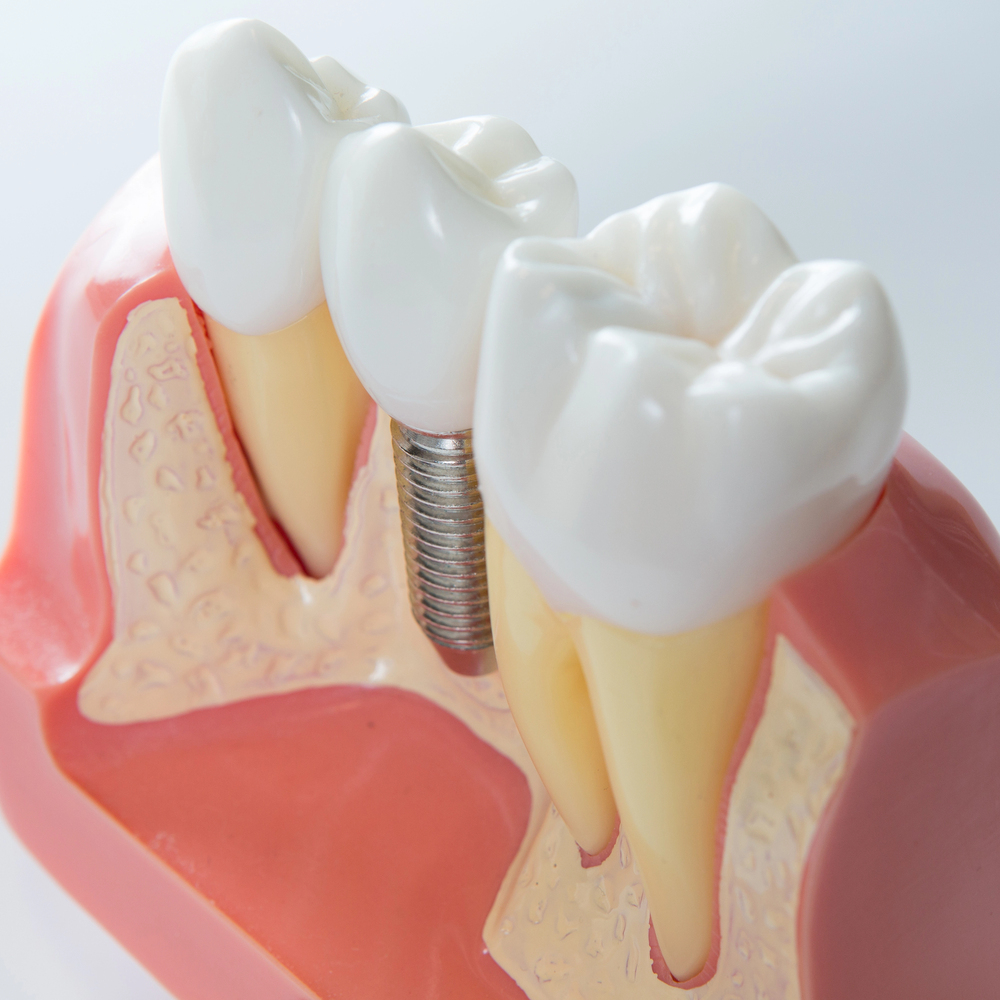
Beyond aesthetics, one of the most critical benefits of these implants lies in strengthening oral foundations using dental implants. Missing teeth can compromise jawbone integrity over time, leading to bone loss, shifting teeth, and altered facial structure. Implants act as artificial roots, stimulating the bone during everyday functions like chewing and speaking. This stimulation helps preserve bone density and maintain the structural stability of the jaw, supporting both oral health and facial aesthetics. By addressing the underlying foundation, custom dental implants offer more than just a cosmetic fix—they restore the essential framework that keeps your mouth healthy.
The materials used in custom implants also reflect the intersection of science and durability. High-quality titanium or zirconia options are carefully chosen for their biocompatibility, strength, and resistance to wear. Titanium, for example, integrates naturally with the jawbone through a process called osseointegration, creating a stable anchor for the prosthetic tooth. Zirconia, known for its tooth-like color and corrosion resistance, provides a metal-free alternative without compromising strength. These advancements allow patients to enjoy reliable, long-lasting results that can withstand the demands of daily life, from chewing tougher foods to maintaining speech clarity.
For tech-savvy patients, the treatment process itself is a marvel of modern innovation. Digital workflows, guided surgical techniques, and CAD/CAM milling systems ensure implants are crafted and placed with remarkable precision. Pre-surgical simulations allow dentists to anticipate potential challenges, while patients can visualize the final result before a single procedure begins. This transparency fosters confidence, reduces anxiety, and optimizes treatment outcomes.
Custom dental implants also address functional concerns that affect quality of life. Patients with missing teeth often experience changes in bite, difficulty chewing, or even digestive issues due to insufficient mastication. Implants restore proper chewing efficiency and distribute bite forces evenly, reducing strain on surrounding teeth and minimizing the risk of jaw disorders. Additionally, implants help maintain natural speech patterns, preventing the lisping or slurring that can occur with traditional dentures or tooth gaps.
From a lifestyle perspective, these innovations mean patients no longer have to compromise on comfort, convenience, or aesthetics. Removable dentures may be prone to slipping, irritation, or bone loss, but implants provide a permanent, reliable solution. Maintenance is straightforward—regular brushing, flossing, and dental checkups are usually sufficient, without the need for adhesives or nightly removals. In essence, custom dental implants allow patients to live confidently and fully, enjoying both the health benefits and the psychological boost of a restored smile.
As dental technology continues to evolve, the trend toward personalization in oral care shows no signs of slowing down. Digital imaging, AI-assisted design, and improved biomaterials are making it easier than ever to tailor treatments to individual needs. For patients who prioritize both health and innovation, these developments mark a significant leap forward—a genuine a revolution in oral health that combines science, technology, and artistry to redefine what a smile can achieve.