

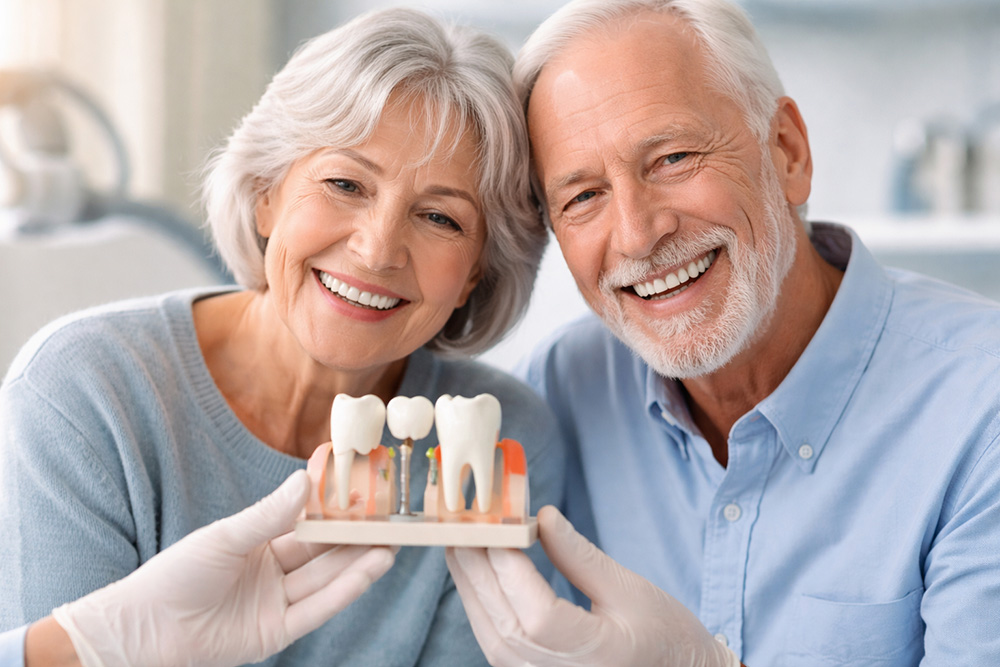
Australia’s baby boomer generation is redefining what it means to age. No longer content with quiet retirement and gradual decline, many are pursuing active, socially engaged lifestyles well into their 60s, 70s, and beyond. This cultural shift has brought renewed attention to health—particularly oral health—as a cornerstone of overall wellbeing. Among the most notable trends is the growing demand for dental implants, a solution increasingly seen not just as restorative, but transformative.
For decades, tooth loss was considered an inevitable part of ageing. Dentures were the default option, often accompanied by compromises in comfort, speech, and confidence. Today, however, advances in dental technology have reshaped expectations. Baby boomers—armed with better access to information and higher disposable income than previous generations—are seeking solutions that align with their desire for longevity, dignity, and quality of life.
Dental implants represent precisely that shift.
Unlike traditional dentures or bridges, dental implants are designed to integrate with the jawbone, mimicking the structure and function of natural teeth. This biological compatibility offers a level of stability and durability that older solutions simply cannot match. More importantly, it helps preserve bone density, a critical factor often overlooked in discussions about oral health in later life. Bone loss following tooth extraction can lead to facial sagging and premature ageing—outcomes that many seniors are keen to avoid.
Beyond the clinical advantages lies a deeper, more human motivation: confidence.
Tooth loss can have a profound psychological impact. It affects not only how individuals eat and speak, but also how they perceive themselves and interact with others. For many baby boomers, who remain professionally active or socially engaged, this loss of confidence can feel particularly limiting. Dental implants offer a restoration not just of teeth, but of identity—allowing individuals to smile, laugh, and speak without hesitation.
In the Australian context, this trend is also shaped by broader lifestyle factors. The country’s emphasis on outdoor living, social connection, and wellbeing reinforces the importance of maintaining a healthy, natural appearance. Whether it’s sharing a meal with family, travelling across the coast, or participating in community events, oral health plays an integral role in daily life.
Financial considerations, once a major barrier, are also evolving. While dental implants are a significant investment, many Australians are viewing them through a long-term lens. Unlike dentures, which may require frequent adjustments or replacements, implants are designed to last for decades with proper care. This durability translates into value over time—both economically and in terms of quality of life.
Private health insurance and flexible payment options have further expanded access, making implants a viable choice for a broader segment of the population. Additionally, increased awareness through online dental resources has helped demystify the procedure, encouraging more seniors to explore their options.
Preventative care remains a critical foundation. Dentists across Australia continue to emphasise the importance of regular check-ups, proper hygiene, and early intervention. However, when tooth loss does occur, the conversation is no longer limited to temporary fixes. Instead, it is about sustainable, life-enhancing solutions.
There is also a growing recognition of the link between oral health and systemic health. Conditions such as gum disease have been associated with cardiovascular issues, diabetes, and other chronic illnesses. By restoring oral function and enabling better hygiene, dental implants contribute not only to a healthier mouth, but to overall wellbeing.
From a clinical perspective, the appeal is equally compelling. Modern implant procedures are highly refined, supported by digital imaging, guided surgery, and improved biomaterials. As a result, seniors can undergo the process with minimal risk and high success rates. This is a crucial consideration for older Australians who may have concerns about surgery or pre-existing health conditions. With proper assessment and care, age alone is rarely a barrier.
Looking ahead, the trajectory is clear. As Australia’s population continues to age, the demand for advanced dental solutions will only increase. Baby boomers, with their emphasis on independence and vitality, are leading this charge—challenging outdated notions of ageing and embracing innovations that support a fuller, more confident life.
In many ways, the rise of dental implants among Australian seniors is about more than dentistry. It reflects a broader cultural evolution—one that values longevity not just in years, but in experience, connection, and self-assurance.
A smile, after all, is more than a physical expression. It is a signal of confidence, health, and engagement with the world. And for a generation determined to make the most of every stage of life, that is something worth investing in.