
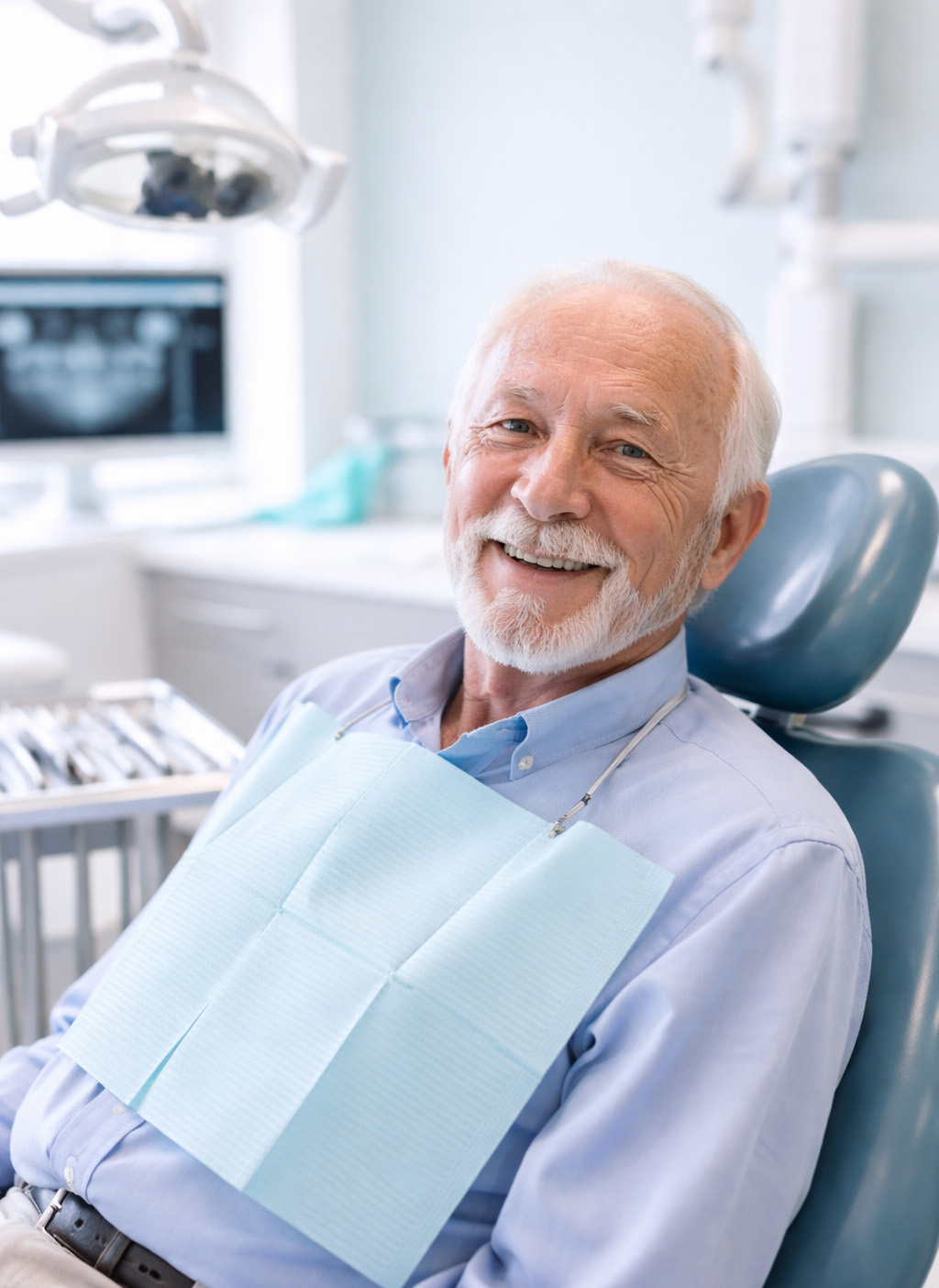
Ageing is not decline—it is adaptation. Nowhere is this more evident than in oral health. For Australians over 60, the conversation around dentistry is shifting from repair to resilience, from crisis management to preservation. In Macquarie Park, where innovation and community intersect, the modern dentist is helping Baby Boomers redefine what healthy ageing looks like—one smile at a time.
Baby Boomers are the first generation in Australian history likely to retain most of their natural teeth well into later life. This is a triumph of fluoridation, preventive dentistry, and public health awareness. Yet it also introduces new challenges. Natural teeth demand ongoing care, and ageing brings physiological changes that require tailored strategies rather than generic advice.
The Changing Landscape of Oral Health After 60
As we age, saliva production often decreases, particularly for those taking medications for blood pressure, cholesterol, or anxiety. Reduced saliva increases the risk of decay and gum disease. Enamel, worn over decades, becomes thinner. Gum tissue may recede. Bone density can decline.
These changes are normal—but they are not inevitable causes of tooth loss.
In Macquarie Park clinics, dentists increasingly emphasise preventive strategies that align with the realities of ageing. High-fluoride toothpaste, regular periodontal assessments, dietary counselling, and minimally invasive restorations are becoming standard components of care for patients over 60.
The message is clear: longevity now includes dental longevity.
Why Baby Boomers Approach Dentistry Differently
Baby Boomers grew up during a time when dental visits were often reactive. Extractions were common. A missing tooth was accepted as part of ageing. Today’s 60-plus Australians reject that narrative.
This generation is active, professionally engaged, socially visible, and digitally informed. They research procedures, compare treatment options, and seek long-term solutions rather than temporary fixes. In Macquarie Park, where technology-driven healthcare is a defining feature of the precinct, dentists are responding with advanced diagnostics and personalised care pathways.
There is also a psychological dimension. For many over 60, maintaining a healthy smile symbolises independence. It supports nutrition, communication, and confidence—three pillars of quality ageing.
Gum Health: The Silent Priority
Periodontal disease remains one of the most significant risks for older adults. Often painless in its early stages, gum inflammation can progress quietly, threatening both teeth and systemic health.
Research continues to explore links between periodontal disease and cardiovascular conditions, diabetes, and inflammatory disorders. While the relationship is complex, maintaining gum health is increasingly viewed as part of whole-body wellness.
A proactive dentist in Macquarie Park will not only measure pocket depths but discuss lifestyle factors—stress, smoking history, diet, and home-care routines. Regular professional cleaning combined with daily interdental cleaning is no longer optional; it is foundational.
Restorative Dentistry That Respects Ageing Teeth
Teeth that have endured six decades deserve thoughtful treatment. Modern restorative dentistry emphasises preservation over replacement. Adhesive technologies allow dentists to repair worn or fractured teeth conservatively, maintaining as much natural structure as possible.
For patients who have older crowns or large amalgam fillings, careful evaluation ensures restorations are updated only when necessary. The goal is stability—not overtreatment.
Dental implants remain an excellent solution for missing teeth, provided bone health and medical history support the procedure. However, in many cases, preventive maintenance can delay or eliminate the need for complex interventions.
Nutrition, Dry Mouth, and Medication Awareness
Many Baby Boomers take multiple medications, some of which contribute to dry mouth. Reduced saliva alters the oral microbiome, increasing susceptibility to decay.
Dentists in Macquarie Park often collaborate with GPs and pharmacists, recognising that oral health is part of a broader medical ecosystem. Saliva substitutes, remineralising agents, and dietary adjustments can significantly mitigate risk.
Hydration, sugar awareness, and mindful snacking habits are small adjustments with significant impact.
A skilled dentist in Macquarie Park does more than fill cavities or clean teeth—they guide patients through a stage of life that values maintenance over repair and foresight over reaction.
Cosmetic Confidence After 60
Healthy smiles are not only functional—they are expressive. Many over 60 explore whitening, orthodontics, or subtle cosmetic enhancements to reflect how youthful they feel internally.
The stigma around cosmetic dentistry for older adults has largely dissolved. Instead, the focus is on subtlety and authenticity. Treatments are designed to harmonise with facial features rather than create artificial uniformity.
In this way, oral care supports self-perception, reinforcing confidence in professional, social, and family settings.
Emerging Trends in 2026
Looking ahead, several emerging trends in 2026 are poised to shape oral care for Baby Boomers:
- AI-assisted diagnostics improving early detection of decay and bone loss
- Salivary testing for predictive risk assessment
- Minimally invasive biomimetic restorations designed to mimic natural tooth flex
- Integrated health data systems connecting dental and medical records
Macquarie Park, with its proximity to research institutions and technology hubs, is well positioned to adopt these advancements early. For patients, this means more precise care, fewer surprises, and better long-term outcomes.
The Philosophy of Ageing Well
Ultimately, oral health after 60 is about dignity. It is about preserving the ability to enjoy food, laughter, and conversation without discomfort or self-consciousness.
Healthy smiles after 60 are not accidental. They are intentional, supported by evidence-based care, modern technology, and a commitment to prevention.
For Baby Boomers in Macquarie Park, the future of oral health is not about coping with ageing—it is about thriving through it.