

When it comes to oral health, few topics provoke as much visceral reaction as periodontal disease. For Baby Boomers, who occupy a unique intersection of aging physiology and lifestyle choices, the issue is especially pressing. Swollen gums, persistent bleeding, halitosis, and loose teeth are more than mere annoyances—they are signs of bacterial invasion that can affect systemic health. Yet the language surrounding the condition—often described as “disgusting”—doesn’t fully capture the scientific and social dimensions of the disease. Understanding it requires a deeper look at both pathology and perception.
Why Baby Boomers Are at Higher Risk
Periodontal disease, a chronic inflammatory condition affecting the supporting structures of teeth, is more prevalent among older adults. Baby Boomers—roughly those born between 1946 and 1964—face decades of cumulative risk factors: reduced salivary flow, lifelong plaque accumulation, medication-induced gum sensitivity, and historically inconsistent dental hygiene practices. As a result, gum recession and alveolar bone loss become more pronounced, and even minor gingivitis can progress to severe periodontitis if left unchecked.
Adding to this biological vulnerability is a generational dimension: Baby Boomers grew up in a period when preventive dentistry was less emphasised. Many did not receive routine professional cleanings in their youth, and awareness of early signs of gum disease was limited. This combination of biological susceptibility and historical context makes them a group particularly in need of proactive periodontal treatment options for healthier gums.
The Social and Psychological Impact
Describing gum disease as “disgusting” may be crude, but it reflects a real psychological and social impact. Halitosis, bleeding during brushing, or visibly inflamed gums can undermine confidence, social interactions, and mental wellbeing. For patients suffering from gum disease, these effects compound physical discomfort with emotional stress. The shame or embarrassment associated with oral hygiene problems often delays care, creating a self-perpetuating cycle of deterioration.
Moreover, periodontal disease is not confined to the mouth. Chronic gum inflammation is associated with systemic conditions such as cardiovascular disease, diabetes, and even cognitive decline. What may seem like a superficial or aesthetic concern is, in reality, a critical public health issue—especially for a demographic navigating midlife or early retirement.
Understanding the Microbial Battlefield
At its core, periodontal disease is the result of microbial imbalance. Oral biofilms—complex communities of bacteria—attach to the tooth surface and gum line. In healthy gums, the immune system keeps these populations in check. In compromised tissue, pathogenic bacteria thrive, producing toxins that trigger inflammation, destroy connective tissue, and erode bone.
For Baby Boomers, decades of accumulated plaque, changes in immune response, and lifestyle factors such as smoking, poor diet, or stress exacerbate this microbial warfare. Understanding this mechanism reframes the condition: it is not merely aesthetic or personal hygiene failure, but an interplay of biology, environment, and age.
Advances in Periodontal Treatment
Fortunately, modern dentistry offers sophisticated interventions. Periodontal treatment options for healthier gums now extend far beyond traditional scaling and root planing. Minimally invasive laser therapies, targeted antimicrobial rinses, regenerative procedures, and guided tissue regeneration allow clinicians to halt or reverse damage in many cases. Regular professional cleanings and personalised oral hygiene plans remain foundational, but contemporary techniques can restore function, aesthetics, and confidence for aging patients.
For Baby Boomers, early detection is critical. Digital imaging, microbiological testing, and advanced periodontal charting enable dentists to identify subtle signs of disease before irreversible tissue loss occurs. This proactive, evidence-based approach is transforming the prognosis for older adults.
Lifestyle and Preventive Measures
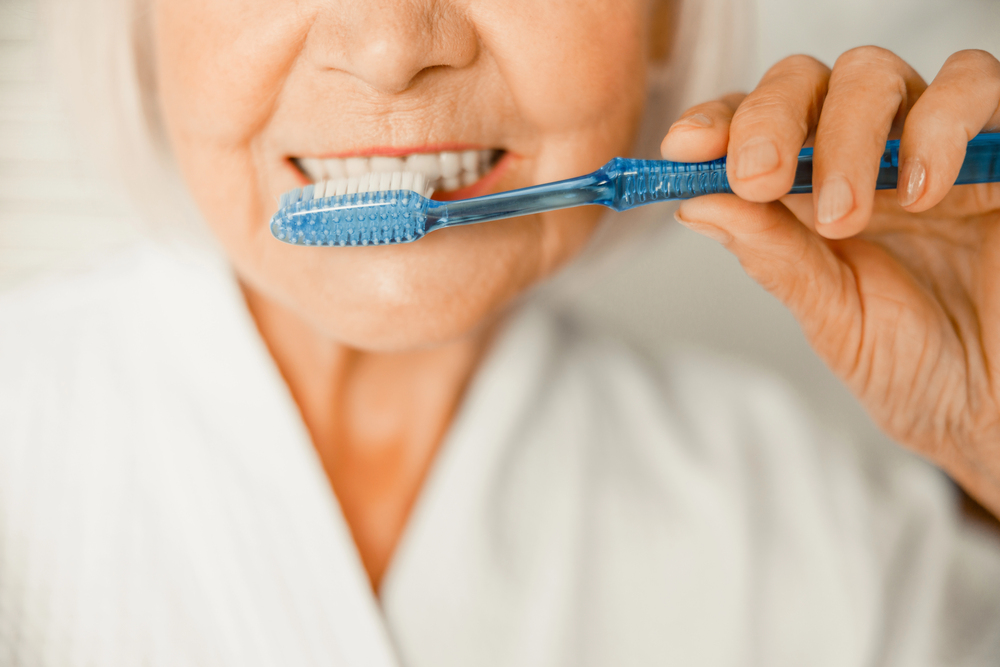
Clinical interventions are only part of the solution. Long-term gum health relies heavily on daily habits. Brushing twice daily with fluoride toothpaste, using interdental brushes or floss, maintaining balanced nutrition, moderating alcohol intake, and avoiding tobacco are all proven strategies for supporting periodontal health.
For older adults, attention to systemic health is equally important. Managing diabetes, cardiovascular conditions, and nutritional deficiencies can significantly influence gum resilience. In short, prevention is holistic: it integrates oral care with lifestyle and medical oversight.
Reducing Stigma and Encouraging Care
The word “disgusting” may capture attention, but it risks reinforcing stigma. For patients suffering from gum disease, shame and embarrassment often delay treatment. Public health messaging and dental education are shifting toward a more supportive tone, emphasising empowerment, restoration, and longevity rather than moral judgement.
Clinics across Australia now adopt patient-centred approaches, creating environments where older adults feel respected and motivated to engage with their oral health. Group education programs, private consultations, and empathetic communication all reinforce that gum disease is a medical condition, not a personal failure.
As Baby Boomers age, periodontal disease will remain a central concern—but so too will opportunity. With advances in periodontal treatment options for healthier gums, early intervention, and lifestyle awareness, what was once considered inevitable deterioration is increasingly manageable. By reframing the conversation—away from disgust and toward science, prevention, and patient empowerment—dentistry can transform outcomes for a generation that values both health and quality of life.
Ultimately, periodontal disease is a reflection of human vulnerability, biology, and longevity. For Baby Boomers, it presents both a challenge and a chance: a challenge in confronting decades of cumulative risk, and a chance to benefit from treatments that restore function, confidence, and wellbeing.