

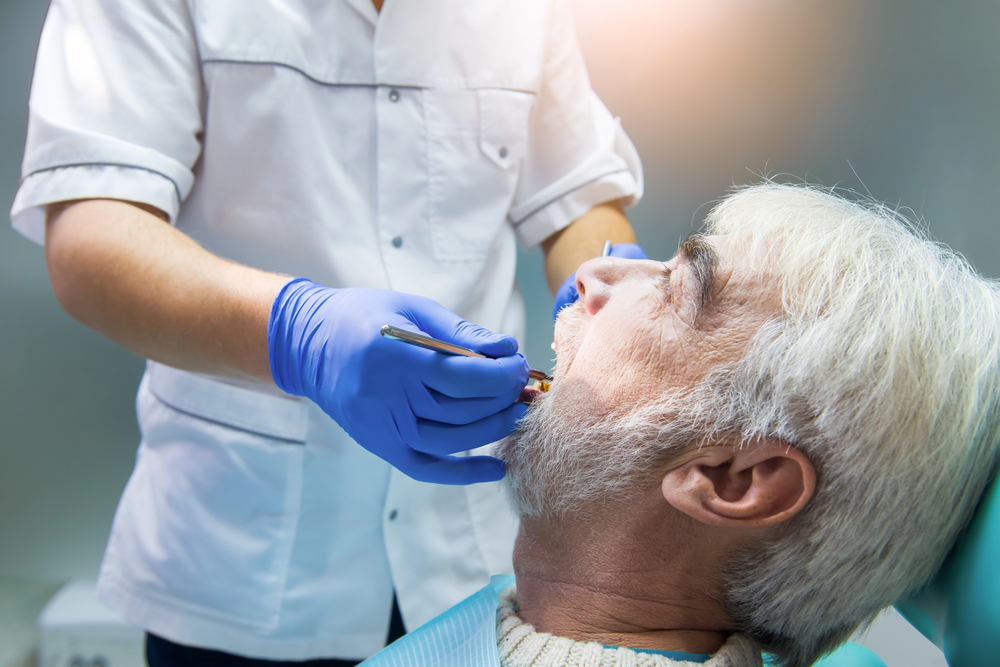
There is a quiet crisis unfolding in aged care facilities—one that rarely makes headlines yet profoundly affects quality of life. It does not begin dramatically. It often starts with subtle swelling, mild discomfort, or a change in eating habits. But left unchecked, an impacted wisdom tooth can progress to a serious bone infection. The question that lingers is uncomfortable but necessary: in the old folk’s home, will the staff care enough to notice?
Wisdom teeth are typically associated with adolescence and early adulthood. However, many older Australians still retain partially erupted or impacted third molars. In youth, these teeth may have been asymptomatic or simply ignored. With age, the immune system changes, medications accumulate, and systemic vulnerabilities increase. What was once a dormant issue can become an acute infection—sometimes with devastating consequences.
The Silent Risk of Bone Infection
Pericoronitis, abscess formation, and osteomyelitis of the jaw are not theoretical concerns. In elderly patients, particularly those with diabetes, cardiovascular disease, or compromised immunity, dental infections can escalate rapidly. A bone infection in the mandible or maxilla is not merely a dental problem—it is a medical emergency.
Research consistently demonstrates that oral care impacts overall health. Oral bacteria can enter the bloodstream, contributing to systemic inflammation, pneumonia risk, and worsening chronic disease. In aged care facilities, where residents may struggle with mobility, cognitive decline, or reduced dexterity, daily oral hygiene is often dependent on carers.
Yet oral health is frequently deprioritised compared to medication schedules, wound care, and mobility assistance. Teeth are still seen as separate from the body, despite overwhelming evidence to the contrary.
When Wisdom Teeth Become a Geriatric Problem
It may seem counterintuitive to involve an oral surgeon specialising in wisdom tooth extraction in the care of elderly residents. After all, wisdom tooth removal is commonly associated with younger patients. However, impacted third molars do not dissolve with age. They remain embedded, capable of harbouring bacteria beneath gum flaps that become increasingly difficult to clean.
In aged care settings, warning signs can be subtle: refusal to eat, agitation in residents with dementia, swelling mistaken for unrelated facial issues, or unexplained fever. Without proper dental assessment, these symptoms may be treated symptomatically rather than causally.
An oral surgeon specialising in wisdom tooth extraction understands not only surgical removal but also the complexities of medically compromised patients. Modern techniques, including careful imaging, minimally invasive extraction, and coordinated medical consultation, make intervention safer than many assume—even in advanced age.
The Ethical Question of Care
The deeper issue is not simply clinical—it is ethical. Do aged care systems sufficiently prioritise oral health? Staff in nursing homes work tirelessly under demanding conditions. However, dental training is often limited, and routine oral assessments may not be embedded in care protocols.
When a resident develops a dental infection, the pathway to specialist care can be slow. Transport logistics, consent processes, family coordination, and financial concerns create barriers. In some cases, pain is managed with antibiotics or analgesics repeatedly, without addressing the underlying source.
But antibiotics alone do not cure a necrotic tooth or chronic infection. They suppress symptoms while bacteria persist.
Why Oral Health Deserves Medical Urgency
The mouth is not isolated from the body. Aspiration pneumonia—a leading cause of mortality in aged care residents—has been strongly linked to poor oral hygiene. Chronic dental infections increase systemic inflammatory burden, potentially exacerbating cardiovascular disease and glycaemic instability.
When we say oral care impacts overall health, this is not metaphorical. It is physiological.
An untreated wisdom tooth infection can spread into fascial spaces, compromise airways, or contribute to sepsis in vulnerable individuals. Early intervention is not cosmetic—it is life-preserving.
Rethinking Preventive Strategy in Aged Care
Proactive assessment is key. Upon entry into an aged care facility, residents should undergo comprehensive dental evaluation, including imaging where appropriate. Impacted wisdom teeth should not automatically be removed—but they should be documented and monitored.
Preventive removal may be considered if risk outweighs surgical burden. For some elderly patients, extraction under local anaesthesia by an experienced oral surgeon specialising in wisdom tooth extraction may prevent years of recurrent infection and hospital admissions.
Equally critical is staff education. Carers should be trained to identify swelling, halitosis, gum redness, and behavioural changes that may signal oral pain. Simple daily oral hygiene assistance—brushing, cleaning under gum flaps, ensuring dentures are maintained—can dramatically reduce infection risk.
Family Advocacy Matters
Families often assume oral health is managed within residential care. Asking specific questions changes accountability:
- When was the last dental assessment?
- Is there documentation of impacted teeth?
- How is daily oral hygiene supported?
- What is the protocol if swelling or pain arises?
Advocacy ensures oral health does not become invisible.
A Measure of Dignity
Ultimately, the issue transcends dentistry. It touches on dignity. The elderly deserve comfort, the ability to eat without pain, and freedom from preventable infection. Wisdom teeth may seem like a relic of youth, but in aged care, they can become a hidden source of suffering.
The question “Will the staff care?” should evolve into “How can systems ensure they are supported to care effectively?”
Because when oral health is overlooked, overall health declines. And when we recognise that oral care impacts overall health, we acknowledge a simple truth: the mouth is not optional.
It is essential.